Why your business, your brand and even your CV need a website in 2026
People now look you up before they contact you, and more and more often an AI does the looking for them. Here is why a website matters in 2026, and what a good one needs.
In this post
A business, a personal brand and a job seeker all need a website in 2026 for the same reason: people look you up before they contact you, and more and more often an AI tool like ChatGPT or Google's AI answers does the looking for them. A website you own is the thing they both find, read and repeat.
I'm Jay Shivram, and I run JS Solutions, a web design and development business in Dar es Salaam. This is what I tell people who ask me whether they still need a website.
Think about the last time you paid someone you had never met. A new supplier, a caterer for an event, a mechanic a friend mentioned. Before you sent any money, you probably looked them up.
Everyone does this now. Someone hears your name, and the first thing they do is search for it. What they find in the next thirty seconds decides whether they message you or move on to the next name on the list.
In 2026 there's a new twist. A lot of the time, the person searching isn't typing into Google anymore. They're asking ChatGPT, or reading the AI answer at the top of the Google results. "Who installs CCTV in Dar es Salaam?" "Which accountant near Kariakoo can do my TRA filing?" And the AI answers with names.
Those answers come from what it can read on the open web, and a lot of that is websites. So being on Google is only half of it now. The other half is whether your name comes up at all when someone asks.
If you run a business
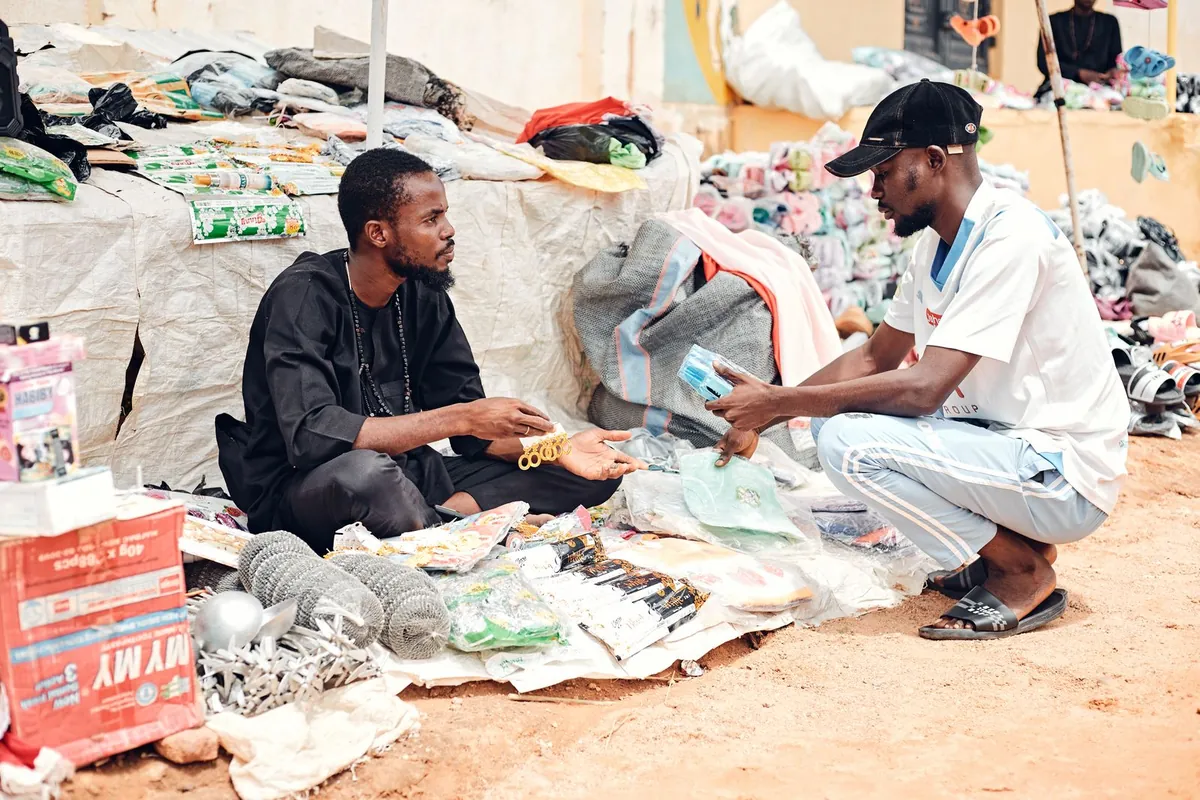
People check before they pay. Nobody wants to send money to a business that might not be real. A proper website with your name, what you do, where you are and how to reach you is the quickest way to answer that question before it's even asked.
You show up on Google and Google Maps. When someone searches for what you sell plus their area, Google shows the businesses it can confirm. A website linked to your Google Business Profile gives it something solid to confirm.
You get named in AI answers. This is the new one. AI tools recommend businesses they can read about. Much of Instagram sits behind a login, and a WhatsApp number tells them nothing about what you do. A website with clear pages that say what you offer and where you offer it is what these tools pick up and repeat.
You own it. An Instagram account can be hacked, restricted or lost overnight, and years of followers and messages go with it. Your website stays yours for as long as you renew the domain.
A good example is Pentagon Solutions, a national distributor of security equipment in Tanzania that I built a site for. A customer comparing CCTV suppliers can see the full range and the brands they carry, and request a site survey, all before making a single phone call. That's the site doing the first conversation for them.
If you're building a brand
Designers, photographers, creators, small clothing labels, anyone whose work is the product.
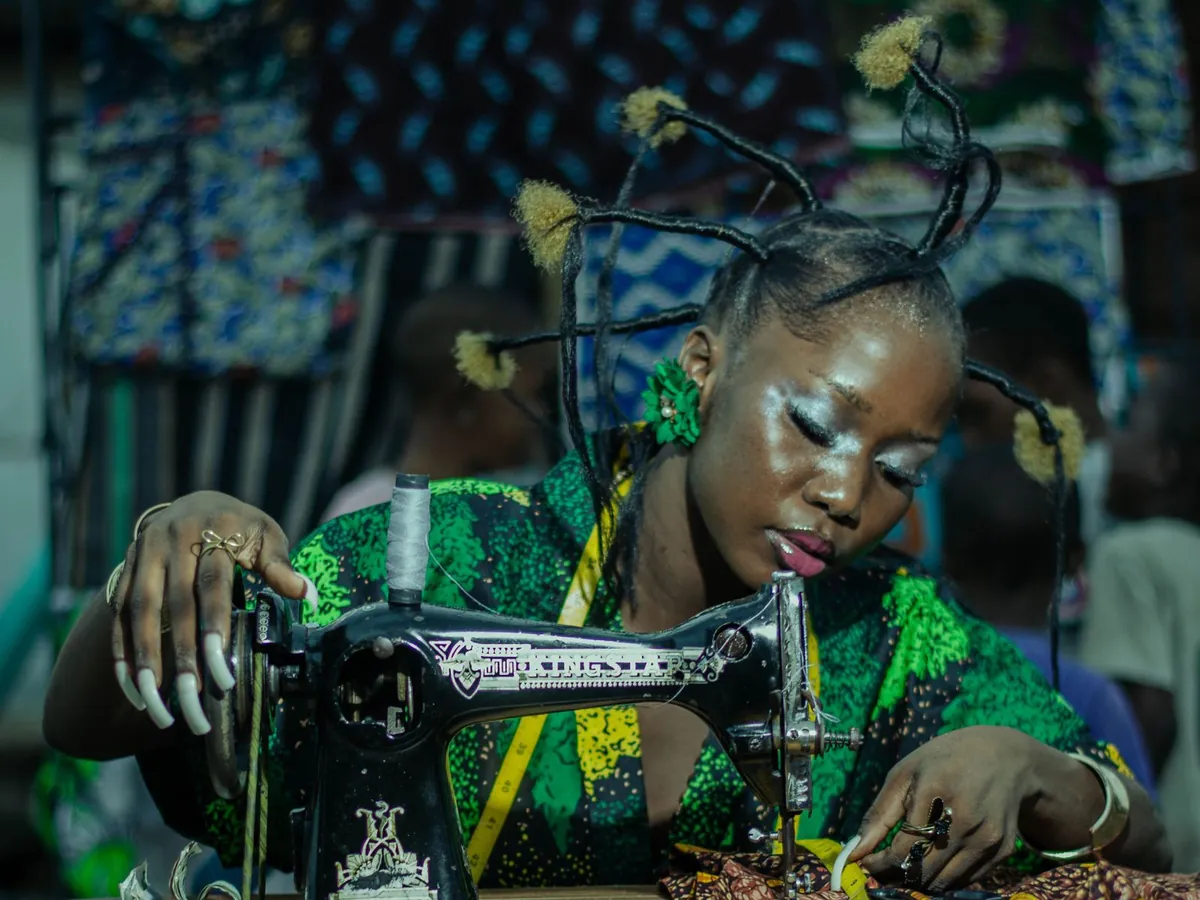
Social media decides who sees your work, and that changes every time the algorithm does. A website is the one place where you decide. Your work, what you offer, how to book or buy, and all your social links, in one link that you control.
Put that link in every bio. When a client or a brand wants to work with you, it's also the thing they forward to the rest of their team, and it makes you look like someone who takes their work seriously.
If you're looking for work
This is the one that surprises people: a website as your CV.

Recruiters and clients search your name before they reply. If what comes up is a proper page about you, you're already ahead of everyone who only sent a PDF.
A link is also just easier. You can paste it into a WhatsApp message, your LinkedIn profile or your email signature. It opens on any phone without downloading anything, and it's always the latest version.
And it shows instead of tells. A PDF says "experienced in project management". A website can show the projects, the results and the certificates in a way people actually scroll through.
My own CV is a website: resume.jayshivram.co.tz. It's one page, it works on any phone, and the PDF is still one click away for anyone who needs it. It's exactly the format of the Digital Resume package I offer.
"But I already have Instagram, WhatsApp and LinkedIn"
Good, keep them. That's where people talk to you.
But you're renting them. The platform sets the rules, the look, and who gets to see you. A website is the one piece you actually own, and it's where all of those accounts should point back to.
You need both. The website is the one people check.
What a good website needs in 2026
Not every website helps. A slow or broken one can do more damage than having none. These are the basics I'd check on any site:
- It loads fast on a phone, on mobile data. Most of your visitors are on phones. If the page takes too long, they're gone before they see anything.
- The WhatsApp button works. One tap should open a chat with your number, ready to type.
- It's on Google Maps, linked to a Google Business Profile, with the same name, phone number and address everywhere.
- It looks right when it's shared. When someone sends your link on WhatsApp, the preview should show your name and a proper image, not a blank grey box.
- It says plainly what you do and where, in the words people actually search for, so both Google and AI tools understand it.
- It's on your own domain, like yourbusiness.co.tz, registered in your name.
Where to start
You don't need a huge site on day one. Start with what matches where you are right now:
- Looking for work? A digital resume. One page, one link, your whole story.
- Just starting, or selling one main thing? A single landing page that explains what you do and makes it easy to reach you.
- An established business? A multi-page site with your services, gallery, testimonials and FAQ, or one with a dashboard so you can update it yourself.
Every package includes your domain and hosting for the first year. You can see what each one includes on the pricing page. If you're not sure which one fits, send me a message, in English or Swahili, and I'll tell you honestly, even if it's the cheaper one.
Written by
Jay Shivram
Founder of JS Solutions, a web design and development business based in Dar es Salaam, Tanzania.